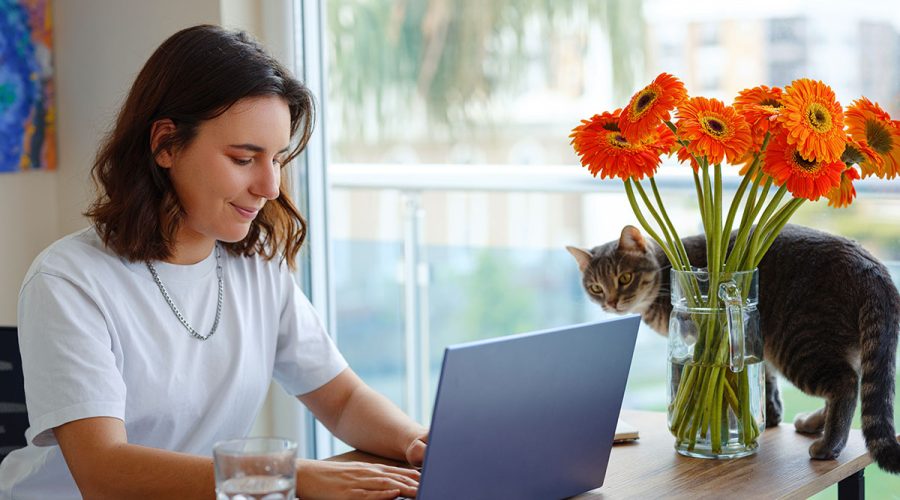
Your bouquet may brighten your home, but could it put your cat in danger? Before you buy flowers online or surprise someone with a beautiful arrangement, there is one important detail every cat owner should know: some popular cut flowers can be seriously toxic to cats. The good news is that you can still enjoy fresh flowers while making more informed choices. Here is how to choose safer blooms, recognize dangerous varieties, and protect your curious feline friend.
Which Flowers Are Dangerous to Cats?
Not every beautiful flower is safe to bring home. Some common bouquet favourites can cause serious health problems if a cat chews them, swallows part of the plant, or comes into contact with certain plant materials.
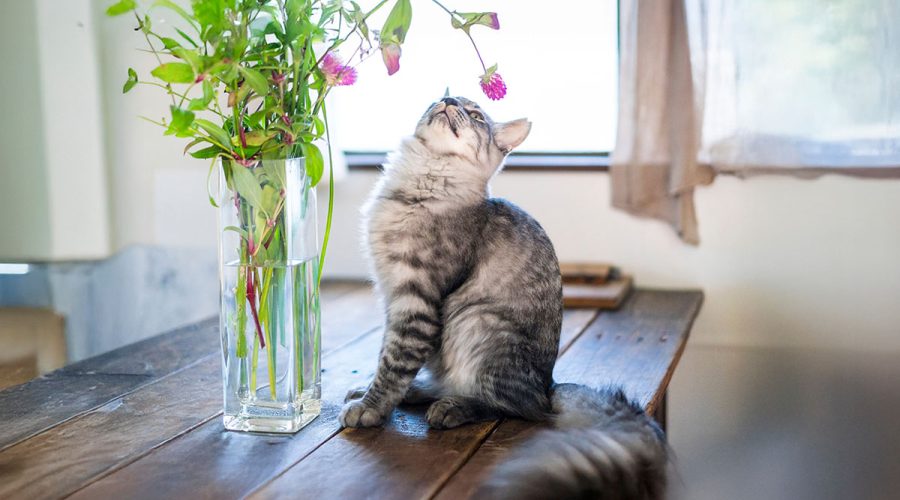
Lilies are the biggest concern. True lilies, including Easter, Asiatic, Oriental and Stargazer lilies, as well as daylilies, can cause severe kidney damage in cats. Even small exposures to pollen or water from a vase containing these lilies can be dangerous. Because cats groom themselves, pollen on their fur can also become a risk.
The safest approach? If you have a cat, keep these lilies completely out of your home. Placing them on a high shelf is not reliable protection because cats can jump, climb and investigate when nobody is watching.
Other flowers to approach with caution include:
- Tulips: These can cause vomiting and other digestive problems, particularly if a cat eats the bulb.
- Daffodils: These contain toxic compounds that can cause vomiting, diarrhoea and other serious effects, especially if the bulb is ingested.
- Hyacinths: These can irritate the digestive system, with the bulbs posing a particular concern.
- Chrysanthemums: These can cause gastrointestinal upset and other symptoms in cats.
Not all plants with similar names have the same toxicity. For example, Peruvian lilies, commonly used in bouquets, are different from true lilies, although they can still cause stomach upset. When in doubt, ask your florist for the exact flower varieties rather than relying on appearance or a common name.
Beautiful Pet-Safe Flowers That Are Safer for Cat Owners
Having a cat does not mean giving up on fresh flowers. Several popular varieties are generally considered non-toxic to cats by the ASPCA.
Roses are a timeless choice for birthdays, anniversaries and romantic gestures. The flowers themselves are considered non-toxic, although their thorns can injure a curious pet.
Gerbera daisies bring cheerful colour and a playful look to a bouquet. They are a lovely option when you want something bright and uplifting without choosing lilies.
Sunflowers create a bold, sunny arrangement that works beautifully as a thank-you gift, a housewarming surprise or a simple way to brighten someone’s day.
Orchids offer an elegant alternative for someone who prefers a refined, modern look. They can make a thoughtful gift for almost any occasion.
Snapdragons and zinnias are other options worth discussing with your florist.
Remember, “non-toxic” does not mean edible. Eating plant material can still cause stomach upset, and individual flowers, greenery and decorative fillers may have different safety profiles. Ask for the full ingredient list of an arrangement if pet safety is a priority.
How to Make Your Home Safer When You Buy Flowers
Choosing appropriate flowers is the first step. A few additional precautions can make a difference:
- Tell your florist about your cat. Ask specifically for an arrangement without true lilies or other flowers known to be toxic to cats.
- Check the greenery, too. Bouquets contain more than flowers. Decorative leaves and fillers should also be identified and checked for toxicity.
- Keep bouquets away from curious paws. Even safer arrangements are best placed where pets cannot chew the flowers or knock over the vase.
- Change vase water carefully. Do not let your cat drink it, especially if the bouquet contains any plant material you have not verified.
- Remove fallen petals and leaves promptly. Flowers change as they age, and loose plant material can end up on the floor where cats can investigate it.
If you suspect your cat has chewed or been exposed to a toxic flower, contact a veterinarian or emergency veterinary clinic immediately. Do not wait for symptoms to appear, and do not try home remedies unless a veterinary professional instructs you to do so. If possible, keep the flower label or a photograph of the bouquet to help identify the plant.
Looking for a Pet-Safe Bouquet in Aurora?
Whether you’re celebrating a birthday, sending an anniversary surprise or simply adding colour to your home, choosing the right flowers starts with knowing what matters to the recipient—including whether they share their home with a cat.
When shopping with an Aurora florist, ask about pet-conscious flower options before placing your order. If you plan to buy flowers online, include a note requesting that lilies and other identified toxic plants be excluded, and confirm the substitutions with the florist.
At Luda Flower Salon, the goal is to help you choose flowers that make the occasion feel special. Sharing your preferences in advance can help you find an arrangement that suits the occasion and your household.
Beautiful flowers and thoughtful choices can go hand in hand. With a little preparation and the right questions, you can make your next bouquet a welcome addition to a flower-loving home.
Pet-safety note: This article is for general information and is not a substitute for veterinary advice. For plant-specific information, consult the ASPCA’s Toxic and Non-Toxic Plants database and the Ontario SPCA’s guidance on poisonous plants and flowers.
Connect through social media